PROJECTS
Alongside our regular programme of sessions, workshops and events, GLOSS develops and takes part in longer-term projects, working with artists, organisations and communities to explore different ways of making, learning about and engaging with music and sound.
Some of these projects have been running since before the library opened, while others have developed through collaborations and relationships formed along the way.
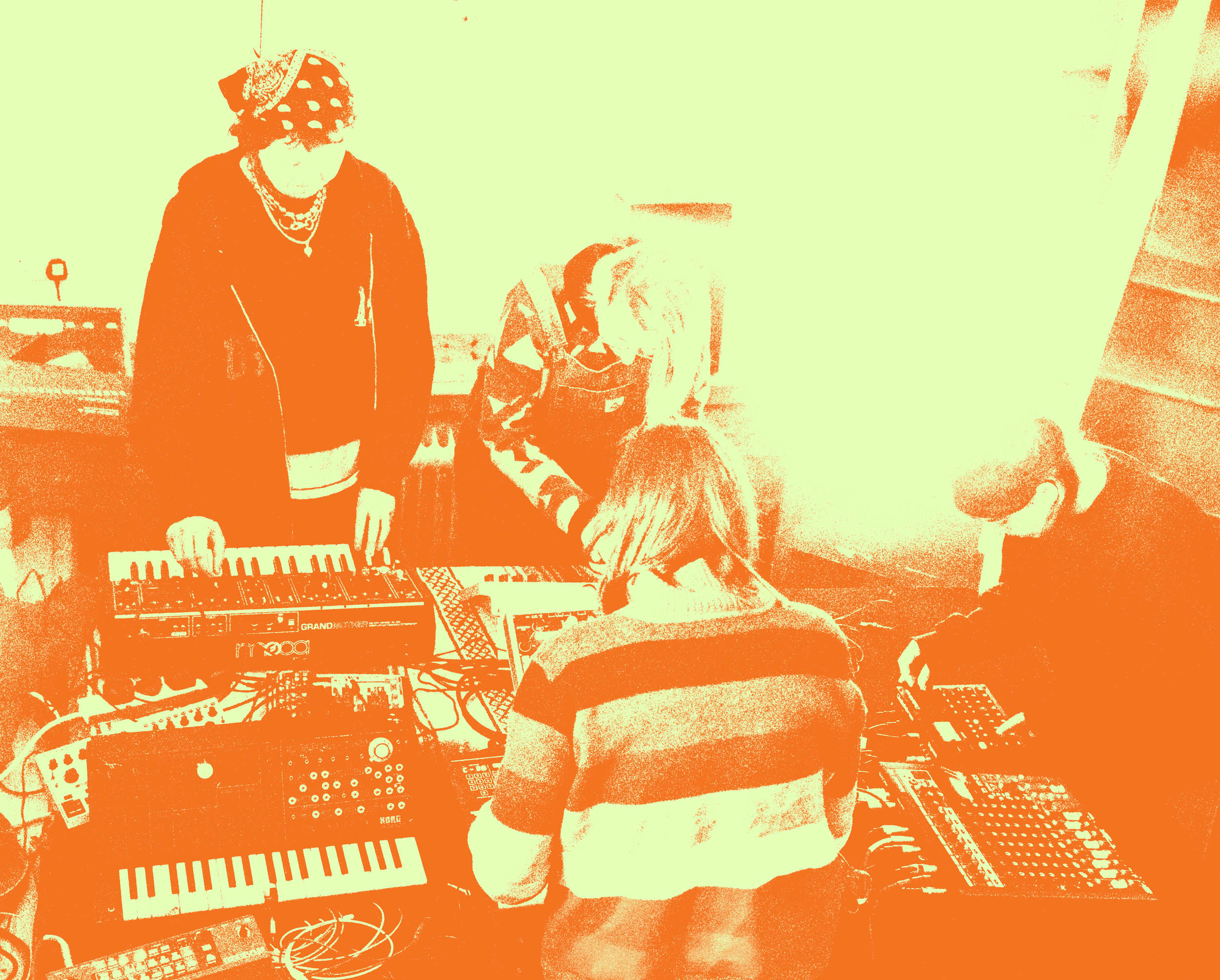
ITEM (Introduction To Electronic Music) is where much of the story of GLOSS began.
Starting in 2020 as a series of online workshops during lockdown, Introduction to Electronic Music eventually developed into a free, in-person programme of hands-on workshop and recording sessions supported by Creative Scotland, Ableton and Rubadub.
Across several iterations, ITEM has introduced people from a wide range of backgrounds to synthesis, sequencing, recording, electronic music history and different approaches to making music. The programme combines practical workshops with opportunities to experiment, collaborate and develop individual ideas, with more advanced participants also spending time recording in a professional studio.
An important part of ITEM has always been making electronic music accessible to people who might otherwise find the cost of instruments, software or tuition prohibitive.
It was partly through running ITEM that we began to recognise the need for a permanent space where people could continue exploring beyond the workshops themselves, eventually leading to the establishment of GLOSS.
Across ITEM and Future Sounds of Strathclyde, we've now delivered over 200 workshops entirely free of charge.
We're currently working to secure funding to bring ITEM back for another round.
Previous iterations of ITEM have been supported by Creative Scotland, Ableton, Rubadub, Signal Sounds, Instruo Modular, Expert Sleepers, Bastl Instruments, Elektron and Torso Instruments
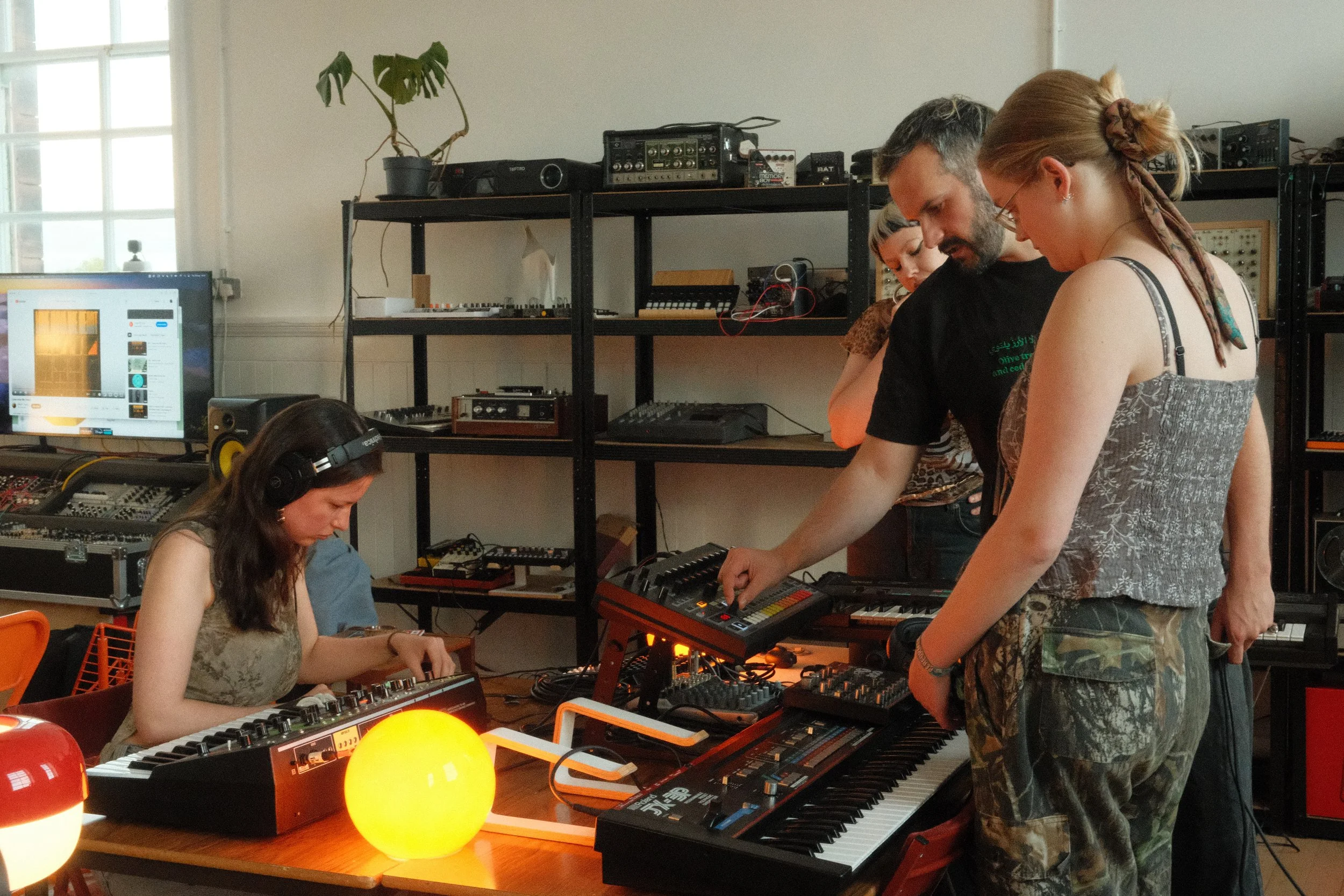
Future Sounds of Strathclyde is a free music-making project for young people aged 16–25 who face barriers to participating in music supported by the Youth Music Initiative and Creative Scotland.
Working with experienced musicians and facilitators, participants take part in a series of hands-on workshops exploring electronic instruments, composition, recording and music production. The project is open to people with different levels of experience, including those who have never made electronic music before.
As the workshops progress, participants develop their own musical ideas, collaborate with others and have the opportunity to record their music in a professional studio.
The project culminates in a collaborative release on vinyl and digital (coming early 2027), bringing together music created by the participants, alongside a launch event where their work can be heard and shared more widely.
Like ITEM, Future Sounds is about providing access to equipment, knowledge and resources, but just as importantly, time to experiment, meet other people and make something of your own without financial barriers.
The first iteration of FSOS took part in Summer 2025 - we are currently working on finding support for new projects like this.

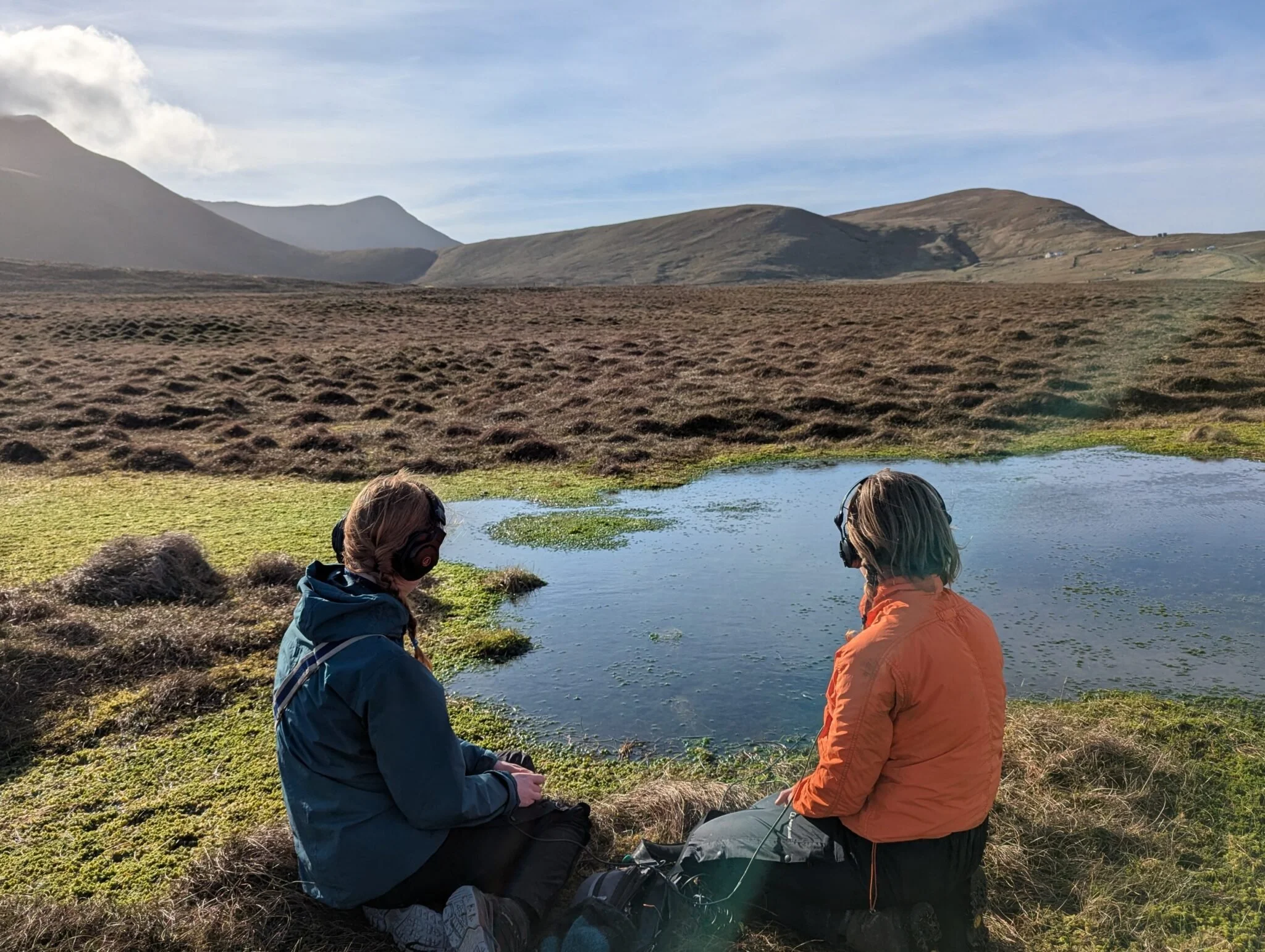
A Sound Map of the River Clyde is a community recording project initiated by composer Annea Lockwood in collaboration with Counterflows, led by sound artist Tom Fisher (Action Pyramid) alongside producer Emmie McLuskey.
Running throughout 2026–27, the project invites people with a connection to the River Clyde to spend time listening to the river and making field recordings along its length, from its source in the Southern Uplands to the Firth of Clyde.
These recordings will contribute to a collective portrait of the river, culminating in a new sound composition and installation in connection with Counterflows Festival 2027, accompanied by a map showing where each recording was made.
As part of the project, GLOSS has partnered with Counterflows to establish a small field-recording equipment library, allowing people to borrow recording kits free of charge and contribute their own sounds. We've also hosted workshops introducing people to field recording and different approaches to listening.
The project has given us an opportunity to begin exploring equipment loans beyond the library itself, and one of the field-recording kits will remain at GLOSS as an ongoing community resource.
You don't need any previous recording experience to take part. Whether you're interested in sound, the river or simply curious about listening a little more closely to your surroundings, contributions are welcome.
A SOUND MAP OF THE RIVER CLYDE